Introduction
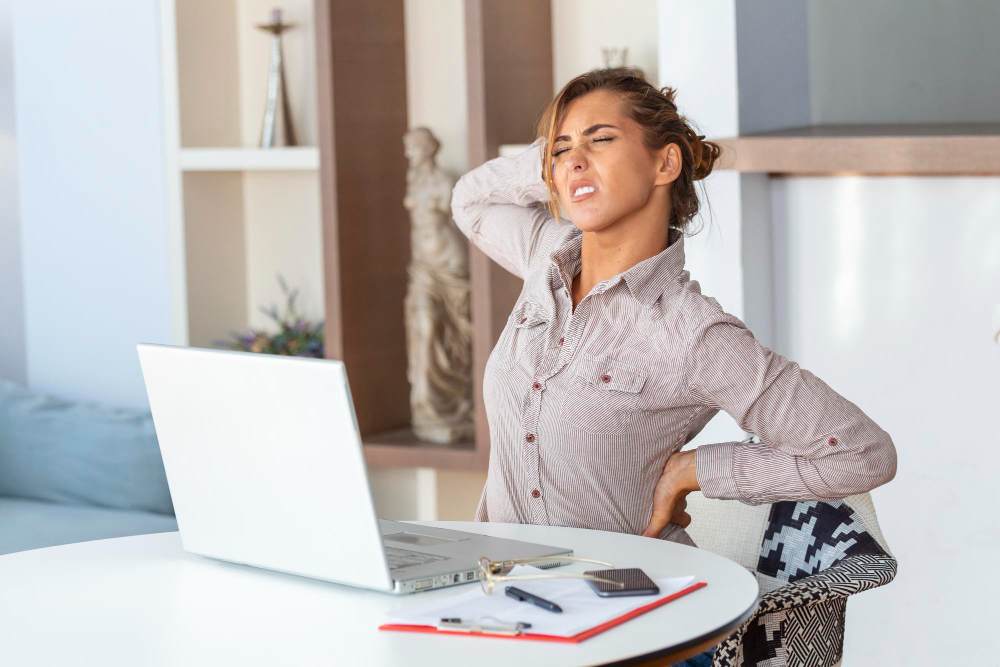
Lower back pain is a common problem for many people. Often, it starts as a mild ache. However, poor posture can turn lower back pain into a serious health crisis. In today’s world, many of us sit for long hours. As a result, our backs suffer. Lower back pain from bad posture can affect daily life, work, and even sleep. But with the right steps, you can prevent and manage this pain.
What Is Lower Back Pain?
Lower back pain is pain felt in the area below your ribs and above your hips. Sometimes, the pain is sharp. Other times, it is dull or aching. Most people will have lower back pain at some point. For some, it lasts only a few days. For others, it becomes chronic and lasts for weeks or months. According to the World Health Organization (WHO), lower back pain is a leading cause of disability worldwide.
How Poor Posture Causes Lower Back Pain
Poor posture puts extra stress on your spine. When you slouch or hunch over, your back muscles work harder. Over time, this can lead to muscle strain and pain. Sitting for long hours with bad posture can also weaken your core muscles. As a result, your lower back has less support. This makes it easier for pain to develop. Even standing with poor posture can cause problems. For example, leaning to one side or sticking out your stomach can strain your back.
Common Symptoms
Lower back pain can show up in different ways. Some common symptoms include:
A dull or aching pain in the lower back
Sharp pain when moving or lifting
Stiffness, especially after sitting or sleeping
Pain that spreads to the hips or legs
Muscle spasms or tightness
Sometimes, the pain gets worse with certain activities. For example, bending or twisting may make it feel worse. However, gentle movement often helps ease the pain.
Risk Factors and Causes
Many things can increase your risk of lower back pain. Some common causes and risk factors include:
Poor posture, especially while sitting or standing
Lack of regular exercise
Weak core muscles
Being overweight or obese
Lifting heavy objects the wrong way
Long periods of sitting, such as office work or driving
Stress, which can cause muscle tension
In addition, age can play a role. As we get older, our muscles and joints may become weaker. This makes it easier for pain to develop. According to the CDC, back pain is more common in adults over 30.
Diagnosis and When to See a Doctor
Most lower back pain gets better with simple care at home. However, you should see a doctor if:
The pain lasts more than a few weeks
You have numbness or tingling in your legs
The pain is very severe or getting worse
You have trouble controlling your bladder or bowels
Doctors may ask about your symptoms and do a physical exam. Sometimes, they may order tests like X-rays or MRI scans. These help rule out other causes, such as a herniated disc or arthritis.
Effective Treatments and Therapies
There are many ways to treat lower back pain. Some common treatments include:
Rest and gentle movement
Over-the-counter pain relievers, like acetaminophen or ibuprofen
Physical therapy to strengthen back and core muscles
Heat or ice packs to reduce pain and swelling
Posture correction exercises
Massage or stretching
In some cases, doctors may suggest other treatments. For example, they may recommend prescription medicine or injections. Surgery is rare and only for severe cases.
Prevention Tips and Healthy Posture Habits
Preventing lower back pain is possible with good habits. Here are some tips to help you:
Sit up straight with your feet flat on the floor
Use a chair with good back support
Take breaks to stand and stretch every 30 minutes
Keep your computer screen at eye level
Lift objects with your legs, not your back
Sleep on a firm mattress
Exercise regularly to keep your back strong
Additionally, posture correction for back pain can make a big difference. Simple changes in how you sit, stand, and move can help prevent pain.
Lifestyle Changes for Long-Term Relief
For lasting relief, consider making some lifestyle changes. For example, staying active helps keep your back healthy. Walking, swimming, or yoga are good choices. Also, maintaining a healthy weight reduces stress on your back. If you smoke, quitting can improve blood flow to your spine. Managing stress is important too, as it can cause muscle tension. Finally, try to set up your home and work space to support good posture. This can help prevent back pain at home and at work.
Conclusion
Lower back pain can become a health crisis if ignored. However, with the right steps, you can prevent and manage it. Good posture, regular exercise, and healthy habits are key. If your pain does not improve, consult a healthcare professional at Dr A V Baliga Memorial Hospital for personalized advice on managing lower back pain.