Introduction
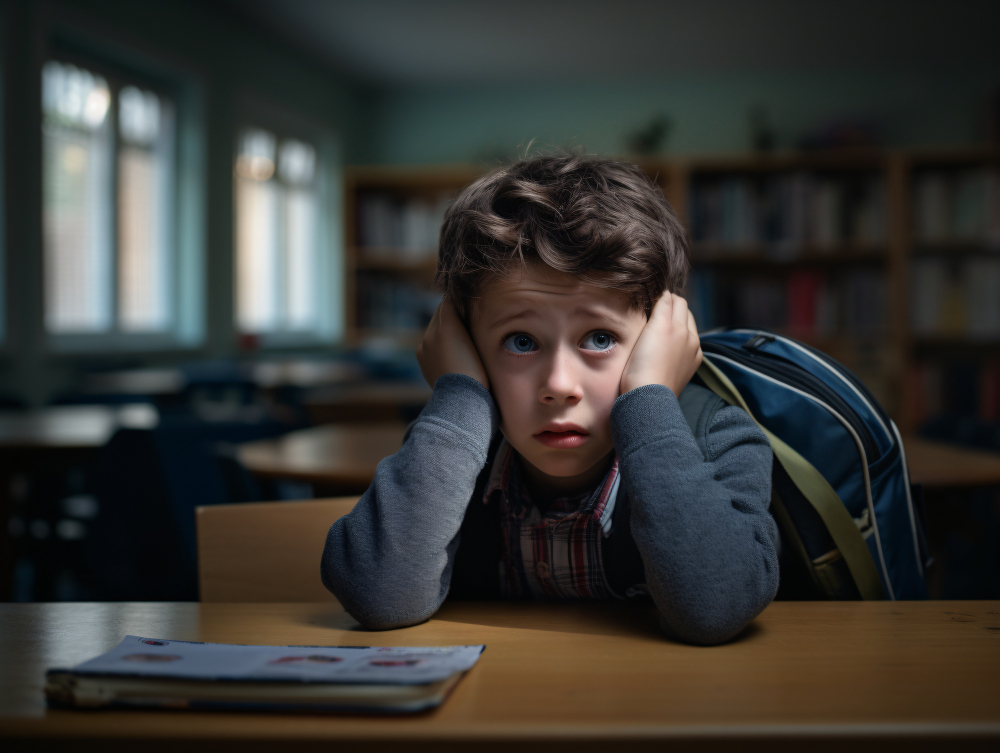
Anxiety in children and teens is more common than many people think. It can affect how young people feel, act, and learn. Often, anxiety in children and teens goes unnoticed because the signs are not always clear. However, early support for anxious children can make a big difference. In this blog, we will explain how to spot anxiety in kids, discuss childhood anxiety symptoms, and share tips for parents and caregivers.
What Is Anxiety in Children and Teens?
Anxiety is a feeling of worry, fear, or nervousness. While everyone feels anxious sometimes, ongoing anxiety in children and teens can affect daily life. For example, a child may worry about school, friends, or family. Sometimes, these worries become so strong that they interfere with sleep, play, or learning. According to the CDC, about 7% of children aged 3–17 have diagnosed anxiety each year.
Common Causes of Anxiety in Young People
Many things can lead to anxiety in children and teens. Some common causes include:
Family stress or changes, such as divorce or moving
School pressure or bullying
Traumatic events, like accidents or loss
Genetics—anxiety can run in families
Health problems or chronic illness
Sometimes, there is no clear cause. But knowing these risk factors can help parents and teachers stay alert.
Silent Signs and Symptoms to Watch For
Often, anxiety in children and teens does not look like worry. Instead, it may show up in other ways. Here are some silent signs and childhood anxiety symptoms to watch for:
Frequent headaches or stomachaches with no clear cause
Changes in eating or sleeping habits
Sudden drop in grades or school refusal
Irritability, anger, or mood swings
Clinginess or trouble separating from parents
Withdrawing from friends or activities
Restlessness or trouble focusing
For teens, warning signs may include avoiding social events, using substances, or expressing hopelessness. Because these signs can be subtle, it is important to notice changes in behavior.
How Anxiety Is Diagnosed in Children and Teens
If you suspect anxiety, a mental health professional can help. First, they will ask about the child’s feelings, thoughts, and behaviors. Next, they may use questionnaires or talk with teachers and family members. Sometimes, doctors check for physical problems to rule out other causes. Early diagnosis helps children get the right support and care.
Effective Treatment Options
There are many ways to help children and teens with anxiety. Treatment depends on the child’s age and needs. Common options include:
Cognitive-behavioral therapy (CBT), which teaches coping skills
Family therapy to improve support at home
School counseling for extra help at school
Medication, in some cases, as advised by a doctor
Often, a mix of these treatments works best. According to the American Academy of Child and Adolescent Psychiatry, therapy is usually the first step.
Tips for Parents and Caregivers
Parents and caregivers play a key role in helping anxious children. Here are some tips:
Listen to your child’s worries without judgment
Keep routines steady and predictable
Encourage healthy sleep, eating, and exercise
Model calm behavior and coping skills
Work with teachers and counselors for extra support
Most importantly, let your child know that it is okay to ask for help.
Prevention and Early Intervention
While not all anxiety can be prevented, early action can reduce its impact. For example, teaching children how to handle stress and solve problems can help. Also, open communication at home and school makes it easier to spot anxiety early. If you notice teen anxiety warning signs or childhood anxiety symptoms, seek help sooner rather than later.
If you notice signs of anxiety in your child or teen, consult a mental health specialist at Dr A V Baliga Memorial Hospital for personalized guidance.