Introduction
Refractive errors are common vision problems that affect people of all ages. These errors happen when the eye cannot focus light correctly. As a result, you may see blurry images. According to the World Health Organization, refractive errors are a leading cause of vision loss worldwide. However, most cases can be corrected easily. Because clear vision is important for daily life, understanding refractive errors is helpful for everyone.
Causes of Refractive Errors
Refractive errors occur when the shape of your eye prevents light from focusing directly on the retina. The retina is the part at the back of your eye that senses light. There are several reasons why this can happen. For example, the length of your eyeball may be too long or too short. Sometimes, the shape of your cornea (the clear front part of the eye) is uneven. In other cases, the lens inside your eye may not be shaped correctly. Genetics often play a role, so if your parents have refractive errors, you may be more likely to have them too.
Common Symptoms
Many people with refractive errors notice changes in their vision. However, symptoms can vary depending on the type of error. For instance, some people may have trouble seeing far away, while others struggle with close-up tasks. If you notice any of these signs, it may be time for an eye exam for refractive errors:
Blurry vision at any distance
Frequent headaches
Squinting to see clearly
Eye strain or tired eyes
Difficulty reading or seeing the board at school
Double vision in some cases
Because these symptoms can affect daily life, early detection is important.
Diagnosis Methods
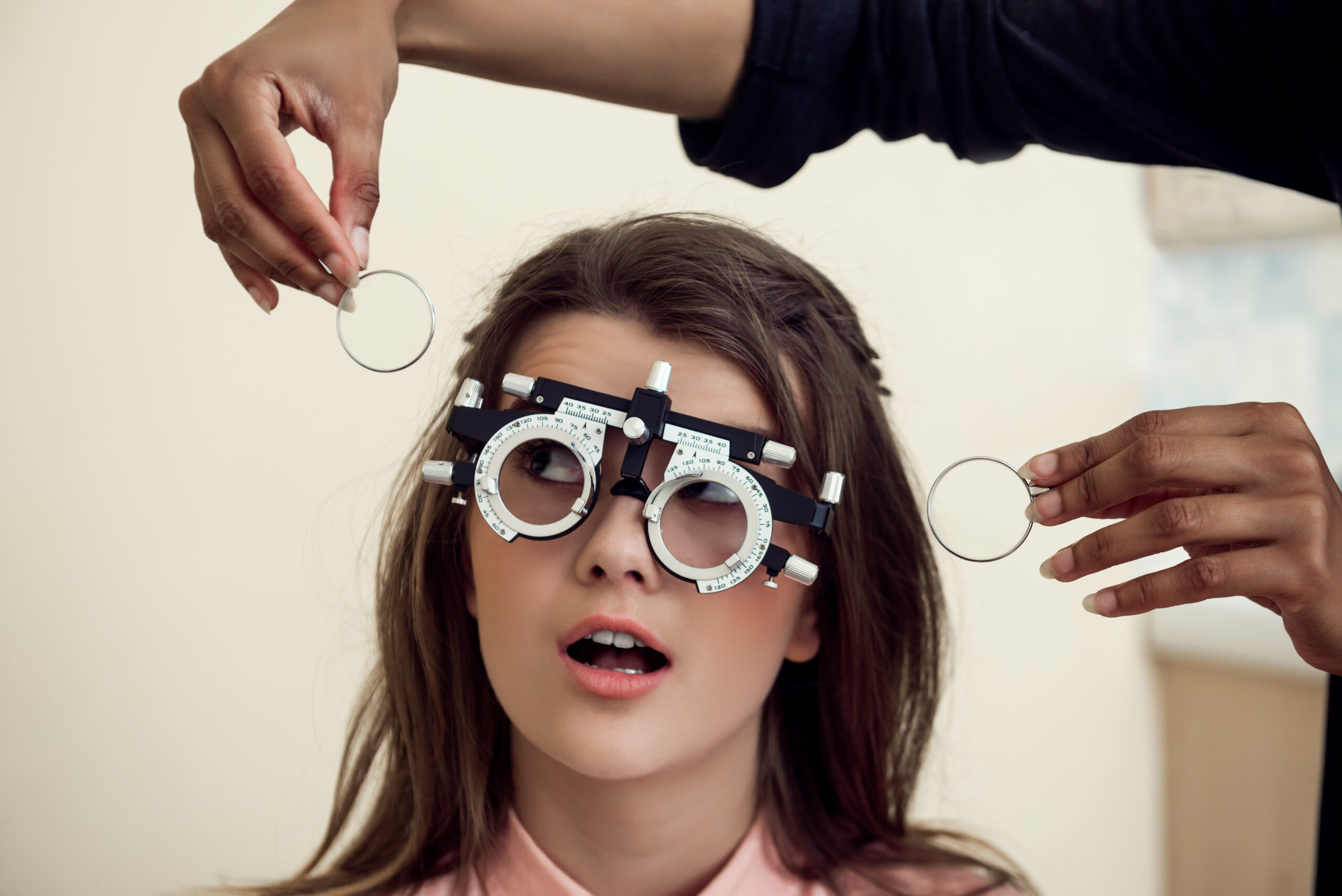
To diagnose refractive errors, eye doctors use several simple tests. First, they will ask about your vision and any symptoms. Next, they perform a visual acuity test, where you read letters on a chart. After that, the doctor may use a device called a phoropter to measure how your eyes focus light. Sometimes, special drops are used to relax your eye muscles. These steps help the doctor find the right prescription for glasses or contact lenses. Regular eye exams are key to catching vision problems early.
Treatment Options
There are several effective treatment options for refractive errors. Your doctor will suggest the best choice based on your needs. Common treatments include:
Glasses: These are the most common and safest way to correct vision problems. Glasses come in many styles and are easy to use.
Contact Lenses: These small lenses sit directly on your eye. They can provide clear vision and are nearly invisible. However, you must keep them clean to avoid infections.
Laser Surgery: Procedures like LASIK reshape the cornea to improve focus. Surgery is not for everyone, but it can reduce or remove the need for glasses or contacts.
Because each person is different, your eye doctor will help you choose the best treatment for refractive errors.
Lifestyle Tips and Prevention
While you cannot always prevent refractive errors, some habits can help protect your eyes. For example, taking regular breaks from screens can reduce eye strain. Additionally, wearing sunglasses protects your eyes from harmful UV rays. Eating a healthy diet with plenty of fruits and vegetables supports eye health. For children, regular eye exams are important, especially if there is a family history of vision problems. Although refractive errors are often genetic, these steps can help keep your eyes comfortable and healthy.
When to See an Eye Specialist
If you notice any changes in your vision, it is important to see an eye specialist. For instance, sudden blurry vision, eye pain, or frequent headaches should not be ignored. Children should have their eyes checked regularly, even if they do not complain of problems. Early treatment for refractive errors can prevent further issues and improve quality of life. Because vision is so important, do not wait to get help if you have concerns.
For personalized advice on refractive errors, consult Dr A V Baliga Memorial Hospital and speak with a qualified eye specialist.